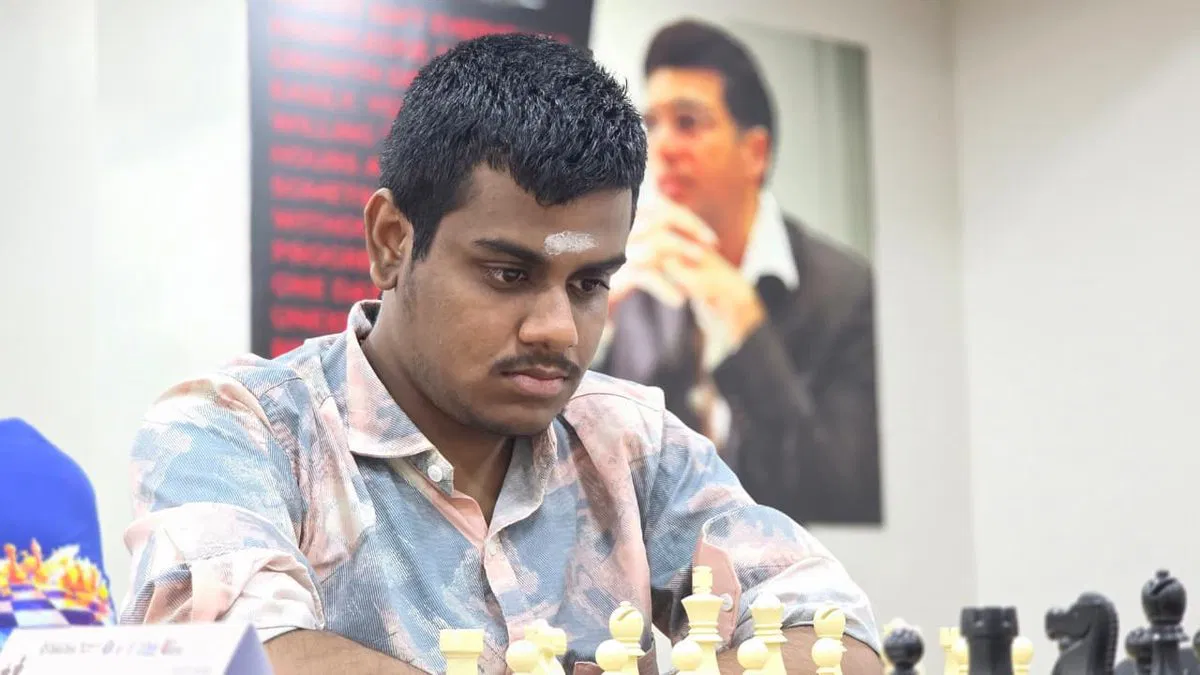
India’s remarkable rise as a global chess powerhouse has reached another milestone. Nineteen-year-old Harshavardhan G.B. from Chennai has officially earned the coveted Grandmaster (GM) title, becoming India’s 97th Chess Grandmaster. His achievement adds another chapter to India’s extraordinary chess journey and further strengthens the country’s reputation as one of the world’s fastest-growing chess nations.
The accomplishment comes at a time when Indian chess is enjoying unprecedented global success. With world-class talents emerging across age groups, Harshavardhan’s promotion to Grandmaster reflects years of discipline, strategic excellence, and relentless dedication. His success also brings India one step closer to the symbolic milestone of producing 100 Grandmasters.
A Dream Years in the Making
The Grandmaster title is widely regarded as the highest lifetime title awarded by the International Chess Federation (FIDE). Achieving it requires players to secure three Grandmaster norms against elite international competition while crossing the prestigious 2500 FIDE rating mark.
Harshavardhan’s journey has been built over years of consistent performances in national and international tournaments. Before earning the Grandmaster title, he had already established himself as one of India’s brightest young players by winning the Asian Junior Chess Championship in 2022, where he also secured one of his GM norms. He later added strong performances across international competitions, steadily moving closer to the ultimate milestone.
Chennai Continues to Shape Chess Champions
Often referred to as the “Mecca of Indian Chess,” Chennai has once again produced another Grandmaster.
The city has long been associated with India’s chess revolution, producing legends such as Viswanathan Anand while nurturing several of the country’s newest Grandmasters. Harshavardhan’s achievement reinforces Tamil Nadu’s reputation as India’s strongest chess ecosystem, supported by experienced coaches, competitive tournaments, and a thriving chess culture.
India’s Chess Boom Shows No Signs of Slowing
Over the past decade, India has witnessed an unprecedented surge in elite chess talent.
Young stars including D. Gukesh, R. Praggnanandhaa, Arjun Erigaisi, Nihal Sarin, and many others have transformed India’s global standing in the sport. The country’s expanding pipeline of talented juniors continues to deliver consistent international success across world championships, Olympiads, and elite tournaments.
Harshavardhan now joins this growing list of Grandmasters representing India’s next generation of chess excellence.
Experts believe India’s strong grassroots programs, increasing tournament exposure, and growing public interest have created one of the strongest talent pipelines in world chess.
More Than Talent—A Story of Persistence
Behind every Grandmaster title lies thousands of hours of preparation, analysis, and competition.
According to reports, Harshavardhan’s journey demanded far more than natural ability. Coaches, family support, and years of disciplined training helped him overcome difficult phases where progress depended on resilience as much as skill. Friends have described him as someone whose determination matched his tactical brilliance, qualities that ultimately helped him reach chess’s highest title.
His achievement also serves as an inspiration for thousands of young Indian players pursuing competitive chess.
A Bright Future Ahead
At just 19 years old, Harshavardhan still has significant room to grow.
The Grandmaster title is not the finish line but the beginning of a new chapter. With India’s international chess calendar expanding and elite tournaments becoming increasingly accessible, he now has opportunities to compete regularly against some of the world’s strongest players.
As India moves closer to producing its 100th Grandmaster, achievements like Harshavardhan’s highlight the country’s remarkable transformation from a rising chess nation into one of the sport’s true global powerhouses.
Conclusion
Harshavardhan G.B.’s rise as India’s 97th Chess Grandmaster represents more than an individual triumph. It reflects the strength of India’s rapidly evolving chess ecosystem, the success of its youth development programs, and the growing global influence of Indian players.
His journey is a reminder that world-class excellence is built through patience, perseverance, and continuous learning. As India celebrates yet another Grandmaster, the future of Indian chess looks brighter than ever.
For more updates on business, startups, technology, sports, innovation, sustainability, and global developments, visit NewsNowNation at https://newsnownation.com/.
Harshavardhan GB, India’s 97th Grandmaster, Indian Chess, Chess Grandmaster India, FIDE Grandmaster, Chennai Chess, Harshavardhan Chess, Indian Chess News, Grandmaster Title, Chess India, Young Chess Talent, FIDE, D Gukesh, Viswanathan Anand, Indian Sports

