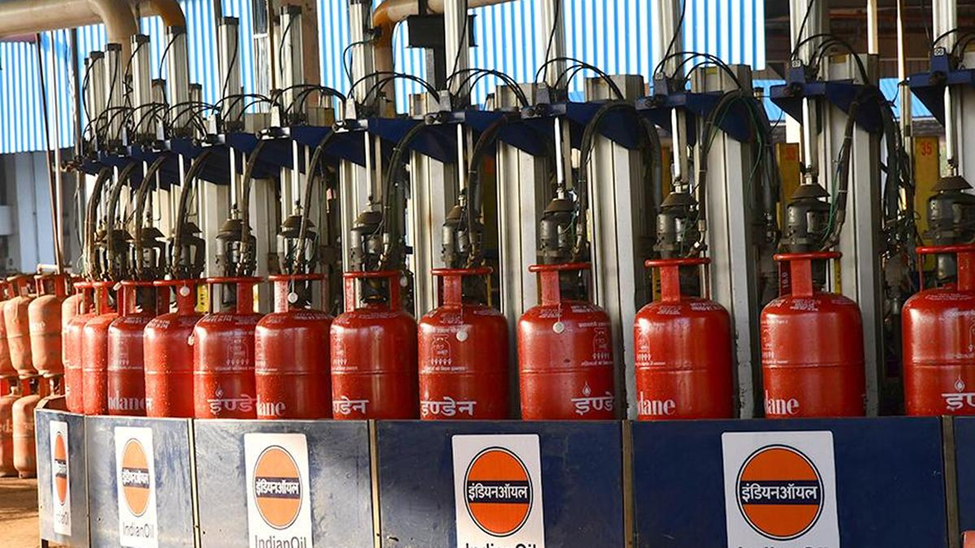
India’s energy security strategy has taken a proactive turn as the government has asked domestic oil refineries to maximise the production of liquefied petroleum gas (LPG) while directing oil marketing companies (OMCs) to prioritise supply to domestic consumers. The move comes at a time when global energy markets remain volatile due to geopolitical tensions and supply chain uncertainties in the West Asian region.
LPG remains a critical component of India’s household energy consumption, serving millions of homes across urban and rural areas as the primary cooking fuel. With rising consumption levels and strong demand from domestic households, the government’s directive aims to ensure uninterrupted supply and price stability for consumers across the country.
India is one of the largest consumers of LPG in the world, and domestic production alone is not sufficient to meet the total demand. The country imports a significant share of its LPG requirements, largely from Middle Eastern suppliers. Any disruption in the global supply chain, especially in regions such as West Asia, can create pressure on domestic energy availability and pricing.
Recognising these risks, the Ministry of Petroleum and Natural Gas has asked refineries to increase LPG output wherever technically feasible. Refining companies often optimise their product mix between petrol, diesel and LPG depending on market demand and profitability. However, under the current directive, refineries are expected to prioritise cooking gas production to strengthen domestic supply.
Oil marketing companies including Indian Oil Corporation, Bharat Petroleum Corporation Limited and Hindustan Petroleum Corporation Limited have also been asked to ensure that domestic LPG supply remains uninterrupted. These companies play a key role in the country’s LPG distribution network, supplying cylinders through a vast network of distributors and bottling plants.
The directive comes as India continues to witness steady growth in LPG consumption driven by urbanisation, rising household incomes and government initiatives aimed at promoting clean cooking fuel. One of the most impactful programmes in this space has been the Pradhan Mantri Ujjwala Yojana, which has expanded LPG access to millions of households, particularly in rural and economically weaker sections.
As LPG demand grows, maintaining supply stability becomes increasingly important for the government. According to energy sector assessments, India’s LPG demand has been rising at a consistent pace over the past decade. Domestic production meets only part of this demand, which means imports continue to play a crucial role in balancing supply.
Global developments are also influencing policy decisions. Tensions in energy-producing regions have pushed countries like India to reassess their supply chains and strengthen domestic resilience. The government has been actively monitoring petroleum supply positions through a dedicated control room while coordinating with oil companies to ensure adequate stock levels across the country.
The directive to maximise LPG production is therefore part of a broader strategy aimed at safeguarding India’s energy security. By encouraging refiners to increase cooking gas output and prioritising domestic distribution, policymakers hope to reduce the risk of supply shortages and ensure that consumers continue to receive timely LPG deliveries.
At the same time, India is also exploring diversification of its energy imports to reduce dependence on a limited set of suppliers. Energy companies are evaluating alternative procurement routes and new sourcing options, which could strengthen the country’s long-term energy resilience.
Industry experts believe that maintaining adequate LPG supply is not only important from an energy perspective but also from a socio-economic standpoint. Affordable cooking fuel plays a crucial role in household welfare, particularly for low-income families that depend on government support programmes.
With consumption expected to continue rising, the government’s emphasis on increasing domestic production and prioritising household supply signals a strong policy focus on consumer protection and energy stability. The move also reflects India’s broader commitment to ensuring that essential energy resources remain accessible and affordable despite global uncertainties.
As global markets continue to evolve, strategic policy decisions such as these will play an important role in maintaining stability in India’s energy sector while protecting the interests of millions of households across the country.
For more updates on business, economy and industry developments, follow the latest news at https://newsnownation.com/
