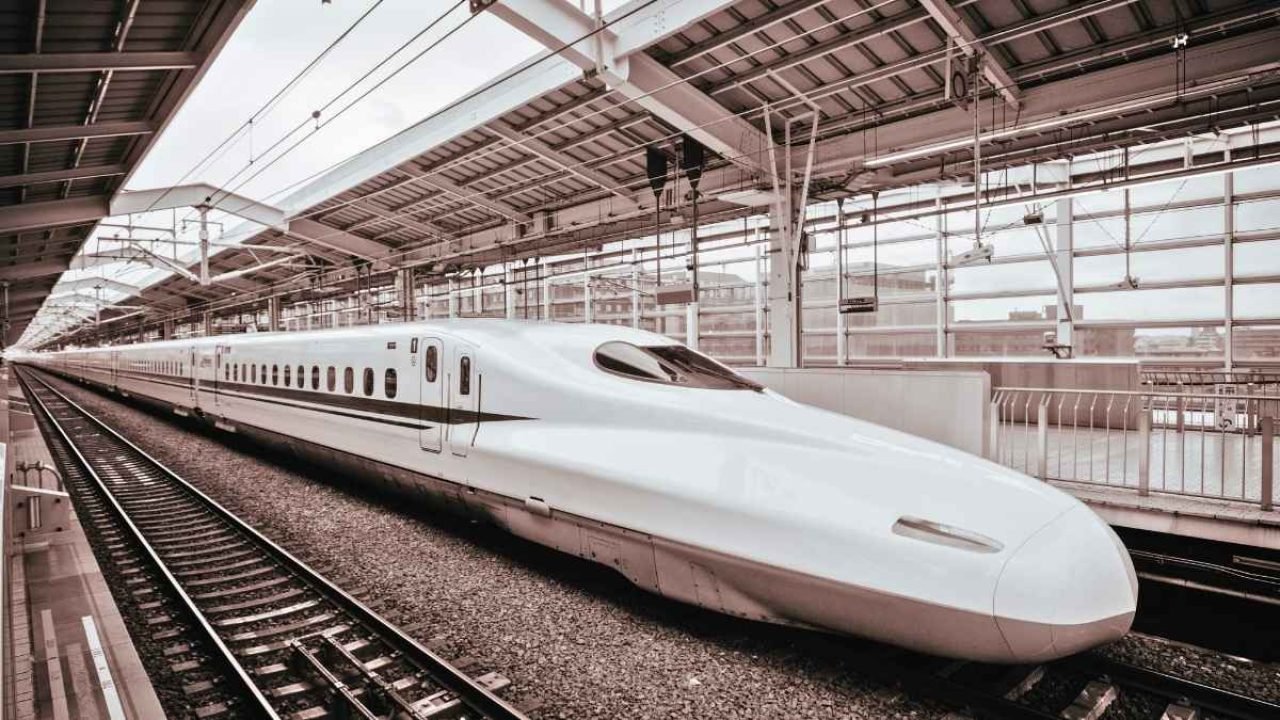
India’s high-speed rail ambitions are gathering pace as the proposed Delhi–Varanasi Bullet Train Corridor moves closer to reality. Planned to pass through key growth centres including Jewar, Agra, Lucknow, Prayagraj, and Varanasi, the ambitious infrastructure project promises to redefine long-distance travel, strengthen regional economies, and accelerate the country’s transition toward world-class transportation.
The corridor is expected to become India’s second major high-speed rail network after the Mumbai–Ahmedabad Bullet Train and is being developed by the National High Speed Rail Corporation Limited (NHSRCL). Running at speeds of up to 350 km/h, the line aims to dramatically reduce journey times while connecting some of North India’s fastest-growing economic hubs.
A New Era of High-Speed Connectivity
Stretching over 800 kilometres, the proposed corridor will connect Delhi with Varanasi through strategically important cities including Noida, Jewar Airport, Agra, Mathura, Etawah, Kannauj, Lucknow, Ayodhya, Raebareli, Prayagraj, Bhadohi, and Varanasi.
The project has been designed not only to provide faster travel but also to integrate major industrial, tourism, and logistics centres across northern India. Jewar International Airport is expected to become a key multimodal transport hub once the corridor is operational.
Boosting Economic Growth Beyond Metro Cities
Infrastructure experts believe high-speed rail projects generate economic benefits well beyond transportation.
Improved connectivity can encourage investment, increase tourism, create employment opportunities, and strengthen manufacturing ecosystems across Tier-2 and Tier-3 cities. Better integration between Delhi and eastern Uttar Pradesh is also expected to improve business mobility while supporting industrial corridors emerging around Noida, Lucknow, and Varanasi.
For travellers, the project promises greater comfort, reliability, and sustainable transport compared with conventional long-distance road travel and short-haul flights.
Part of India’s Larger High-Speed Rail Vision
The Delhi–Varanasi corridor forms a key component of India’s expanding high-speed rail network announced under the Union Budget 2026, which includes multiple new corridors aimed at improving national connectivity and supporting long-term economic development.
The proposed line complements the ongoing Mumbai–Ahmedabad Bullet Train project and reflects India’s broader ambition to build a modern rail ecosystem comparable to global leaders in high-speed transportation.
Sustainability Through Faster Rail Networks
High-speed rail is increasingly viewed as one of the most environmentally efficient modes of intercity transport.
By shifting passengers away from short-haul aviation and long-distance road traffic, the corridor could contribute to lower carbon emissions while improving energy efficiency across India’s transport network.
The project also aligns with India’s long-term goals of building sustainable infrastructure and enhancing regional accessibility through modern public transport.
What Comes Next
While surveys, planning, and alignment work continue, the Delhi–Varanasi Bullet Train Corridor represents one of India’s most ambitious transportation initiatives.
As the project progresses, cities along the route are expected to benefit from improved infrastructure, rising investment, and stronger economic integration.
If executed successfully, the corridor could become a defining symbol of India’s next-generation infrastructure, bringing businesses, pilgrims, tourists, and communities closer together while showcasing the country’s commitment to faster, greener, and smarter mobility.
Conclusion
The proposed Delhi–Varanasi Bullet Train Corridor is more than a transportation project—it is a long-term investment in India’s economic future. By connecting major cities through world-class high-speed rail, the corridor has the potential to reshape mobility, unlock regional development, and strengthen India’s position among global infrastructure leaders.
For more updates on business, infrastructure, innovation, technology, sustainability, and global developments, visit NewsNowNation at https://newsnownation.com/.
Delhi Varanasi Bullet Train, Delhi Varanasi High Speed Rail, NHSRCL, Jewar Airport Bullet Train, Lucknow Bullet Train, High Speed Rail India, Indian Railways, Bullet Train Project India, Infrastructure India, Smart Mobility India, Delhi Varanasi Corridor, National High Speed Rail

