Viral Video Triggers Nationwide Debate Over Railway Incident
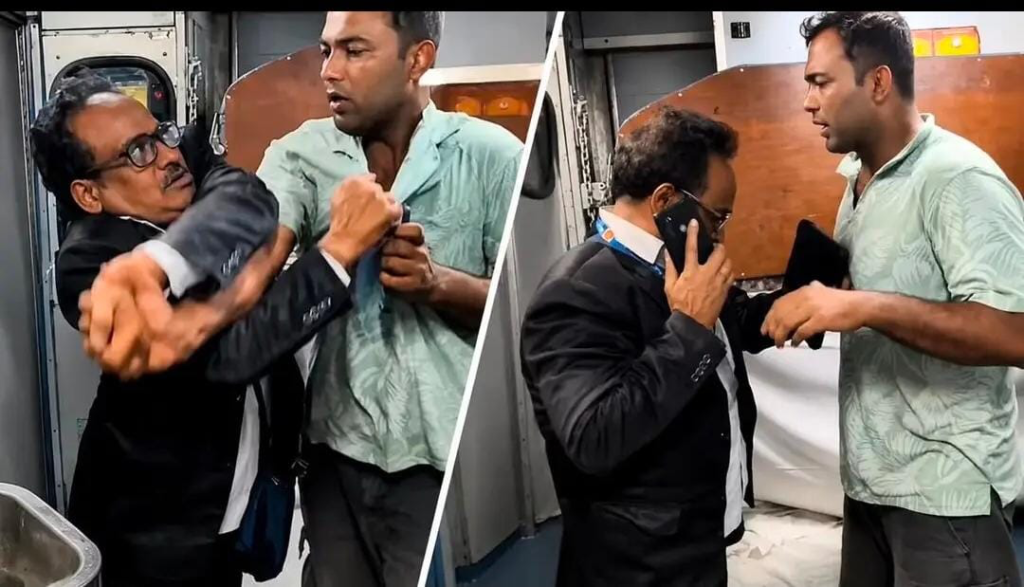
A video showing a heated confrontation between an Army jawan and a Travelling Ticket Examiner (TTE) aboard a moving train has gone viral across social media platforms, drawing widespread attention and sparking a debate over passenger rights, railway protocol, and public conduct. The incident, captured on a mobile phone by fellow passengers, has been shared extensively on platforms such as X, Instagram, Facebook, and WhatsApp, with users expressing sharply divided opinions over who was responsible for the altercation. While several social media posts claim that the dispute began during a routine ticket verification, the complete sequence of events leading to the confrontation has not been independently verified. As of now, no official statement has been released by the concerned railway authorities or security agencies regarding the incident.
The viral footage appears to show a physical struggle between the Army personnel and the TTE inside a railway coach. In one part of the video, both individuals can be seen pushing each other, while another clip shows the railway official speaking on the phone, apparently reporting the incident. Since the recording begins after the dispute had already escalated, it does not provide a complete picture of what triggered the confrontation. This has made it difficult to determine responsibility based solely on the available footage.
According to several social media claims circulating online, the disagreement allegedly started during a ticket inspection. Some users have claimed that the Army jawan was asked to produce valid travel documents, while others have suggested that there was confusion regarding ticket verification or railway travel rules applicable to defence personnel. However, these claims remain unverified, and no official investigation findings have been made public. Without confirmation from Indian Railways or law enforcement agencies, the exact cause of the incident cannot be established.
The incident has quickly become one of the most discussed railway-related topics on social media. Thousands of users have shared their opinions, with many expressing support for the Army personnel, citing the respect generally accorded to members of the armed forces. Others have argued that railway officials are responsible for enforcing ticketing regulations uniformly and should be allowed to perform their duties without facing intimidation or violence. Several users have appealed for restraint, urging people not to draw conclusions until verified facts are released by the authorities.
Public discussions have also highlighted the increasing number of confrontations recorded on smartphones and instantly uploaded online. While such videos often generate immediate public interest, they rarely present the full context of an incident. Experts have repeatedly advised viewers to avoid forming judgments based on partial recordings, as crucial events occurring before or after the captured footage may significantly change the understanding of the situation.
Railway officials, including TTEs, are entrusted with ensuring that passengers comply with ticketing regulations and railway travel policies. At the same time, Indian Railways has established procedures for handling disagreements and disputes without resorting to physical confrontation. Likewise, passengers, irrespective of their profession or background, are expected to cooperate during ticket inspections and seek legal remedies if they believe they have been treated unfairly.
The viral incident has once again brought attention to the need for better conflict management and communication during railway operations. Many observers believe that enhanced training in passenger interaction, de-escalation techniques, and conflict resolution could help prevent such incidents from turning into physical altercations. Others have suggested that greater use of CCTV cameras inside coaches and body-worn cameras for railway staff could improve transparency during disputes.
Legal experts point out that if a physical assault is found to have taken place, action may be initiated under relevant provisions of the law after an official investigation. At the same time, any misconduct by railway personnel, if established, would also be subject to departmental inquiry and disciplinary procedures. Therefore, the outcome of the matter will ultimately depend on evidence collected by the investigating authorities rather than public opinion on social media.
Indian Railways has consistently maintained that passenger safety and orderly conduct remain among its highest priorities. Previous incidents involving disputes between railway staff and passengers have often been examined through departmental inquiries, with authorities relying on witness statements, CCTV footage, and official reports before arriving at any conclusion. A similar process is expected if this incident is formally investigated.
The rapid spread of the video also serves as a reminder of the challenges posed by viral content in the digital era. Within hours, short video clips can reach millions of viewers, often accompanied by captions that may not accurately reflect the facts. Misinformation or incomplete narratives can influence public perception before official investigations are completed. For this reason, media organisations and responsible users continue to encourage verification before sharing sensitive content.
Until an official statement is released, the circumstances surrounding the confrontation remain unclear. Authorities are expected to examine all available evidence, including video recordings and witness accounts, before determining what exactly happened inside the train. Any conclusions reached before the completion of such an inquiry would be speculative.
The incident has undoubtedly generated significant public interest and renewed discussions about passenger behaviour, railway administration, and the importance of maintaining professionalism during official duties. As more verified information becomes available, greater clarity is expected regarding the sequence of events and whether any legal or disciplinary action will follow
For more updates on business and national news, follow NewsNowNation.com.
