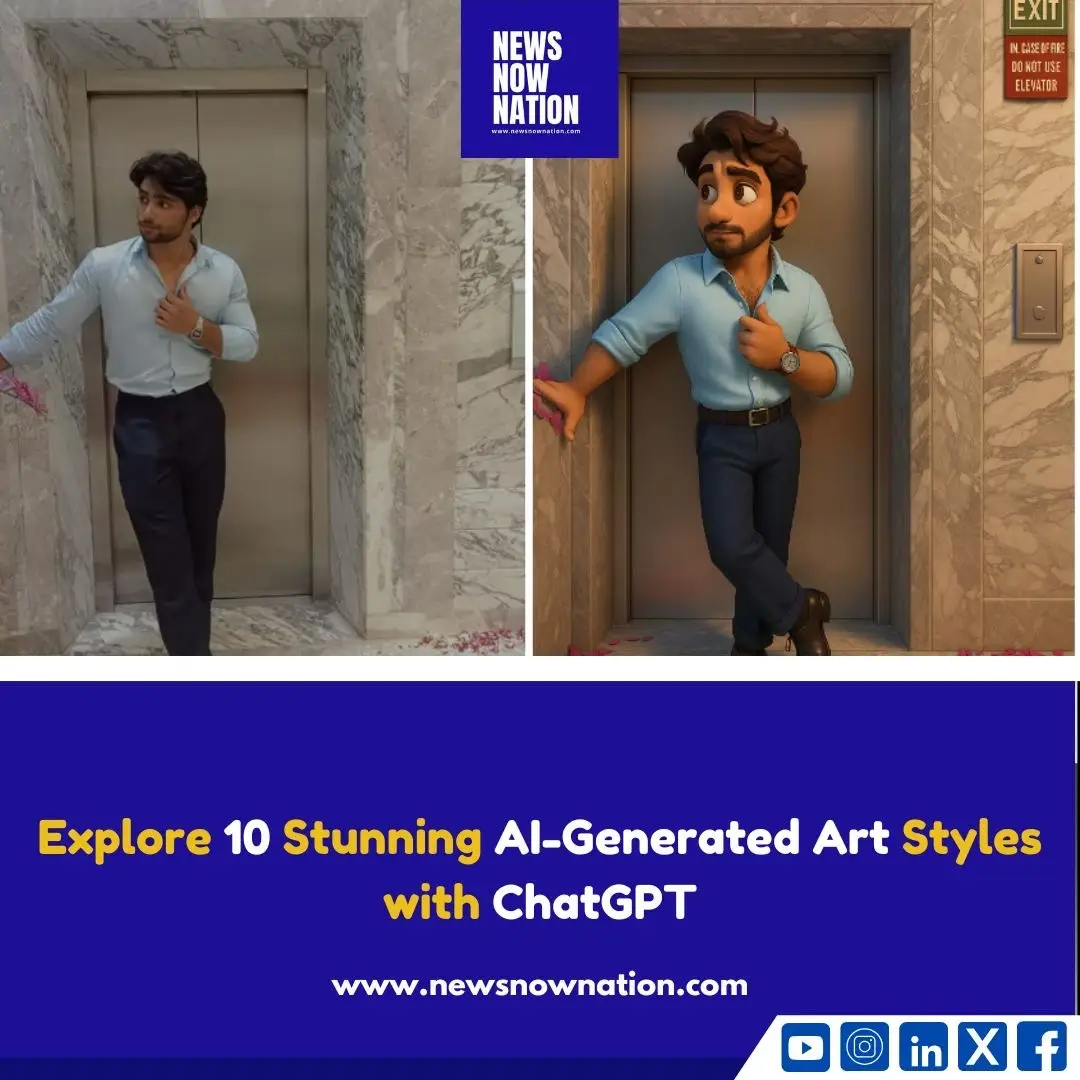
Artificial Intelligence (AI) is rapidly transforming the creative world, and OpenAI’s ChatGPT is at the forefront of this revolution. While AI-generated images have been gaining popularity, users are no longer limited to just one aesthetic. Recent advancements in ChatGPT’s image generation capabilities allow users to experiment with at least ten different artistic styles, expanding the horizons of digital creativity.
From hyper-realistic portraits to dreamy watercolor paintings, these AI-generated styles are reshaping the way artists, designers, and hobbyists create visual content. This evolution in AI-driven art comes as a major breakthrough, making high-quality digital artwork more accessible to everyone.
Beyond the Ghibli Aesthetic
Previously, many AI-generated images followed a specific style, such as the famous Studio Ghibli look, which captivated audiences with its hand-drawn, anime-inspired charm. However, AI tools have now evolved to provide a much broader range of artistic interpretations.
According to a report by LiveMint, ChatGPT’s AI image generation can now produce artworks in ten stunning styles. This means users can generate visuals that look like oil paintings, cyberpunk digital art, vintage illustrations, surreal dreamscapes, and much more. The ability to switch between different styles enhances creative flexibility and allows for personalized storytelling through AI-generated imagery.
The 10 AI Art Styles You Can Create
The latest advancements in ChatGPT’s image generation enable users to create artwork in the following styles:
- Hyper-Realism – Produces images that closely resemble real-life photographs, with intricate details and textures.
- Cyberpunk – Inspired by futuristic cityscapes, neon lighting, and a dystopian sci-fi aesthetic.
- Oil Painting – Emulates classic oil painting techniques with rich brushstrokes and deep color palettes.
- Watercolor Art – Creates soft, flowing, and pastel-toned images that resemble traditional watercolor paintings.
- Sketch & Line Art – Produces detailed pencil or ink-like sketches, perfect for concept art or black-and-white drawings.
- Surreal Dreamscapes – Generates imaginative and fantasy-driven artwork that defies the laws of nature.
- Vintage Illustration – Mimics old-fashioned book illustrations, reminiscent of early 20th-century artworks.
- 3D Rendered Art – Produces realistic 3D-style images, similar to modern animation or CGI.
- Pop Art – Uses bold colors and comic-style aesthetics, similar to works by Andy Warhol or Roy Lichtenstein.
- Minimalist Design – Focuses on clean, simple compositions with limited color palettes and strong negative space.
These styles offer a diverse range of artistic possibilities, making AI art generation more versatile than ever.
How This Impacts Artists and Designers
The ability to create images in multiple styles has significant implications for various industries. Graphic designers, illustrators, and digital content creators can now use AI to experiment with different aesthetics without requiring advanced technical skills. This also provides small businesses and independent creators with high-quality visuals that would otherwise take hours to produce manually.
Additionally, AI-powered image generation is beneficial for fields such as marketing, publishing, and gaming. Businesses can use AI-generated visuals for advertisements, book covers, concept art, and even animated projects. As AI technology improves, we may soon see even more refined and customized AI-generated artworks tailored to specific user needs.
The Debate Over AI-Generated Art
Despite the excitement surrounding AI art, there are ongoing debates about its ethical implications. Some artists express concerns that AI-generated images could replace traditional art forms or devalue the work of human illustrators. Others worry about AI tools being trained on copyrighted artworks without proper credit or compensation.
To address these concerns, experts suggest implementing fair AI training practices, ensuring transparency, and providing ethical guidelines for AI-generated content. As AI-generated art becomes more mainstream, balancing innovation with ethical responsibility will be crucial.
The Future of AI-Generated Art
With continuous advancements in AI technology, the future of digital art looks promising. The ability to generate high-quality images in multiple artistic styles opens new opportunities for creativity, storytelling, and visual expression. As AI tools like ChatGPT evolve, users can expect even more refined, customizable, and interactive art-generation experiences.
For now, AI-generated art remains a powerful tool for both professionals and enthusiasts, democratizing access to high-quality digital artwork. Whether it’s for fun, work, or personal projects, the latest developments in ChatGPT’s AI image generation mark an exciting step forward in the world of AI-driven creativity.

