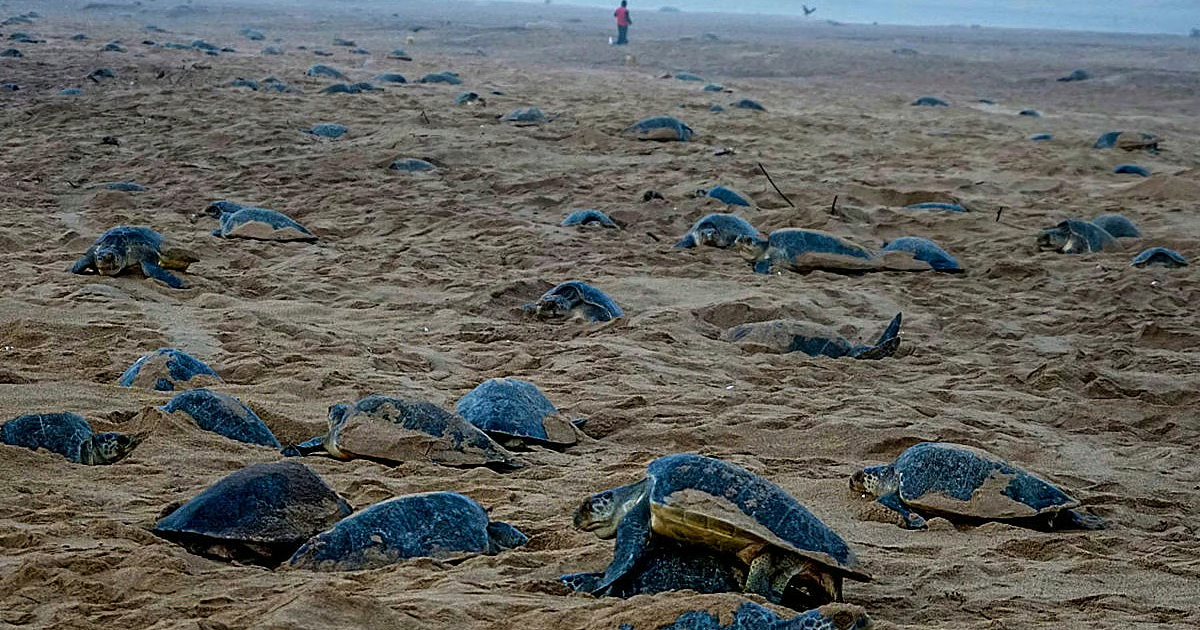
Tamil Nadu’s coastline has become the stage for one of India’s most encouraging wildlife conservation success stories. Conservation efforts led by the state’s Marine Elite Force, forest officials, researchers, volunteers, and local communities have helped protect more than 1.9 lakh sea turtle hatchlings, highlighting the impact of sustained environmental action and community participation.
The achievement comes at a time when marine ecosystems around the world face increasing threats from climate change, habitat degradation, pollution, and human activity. Experts say the success demonstrates how coordinated conservation strategies can deliver measurable results while protecting biodiversity and strengthening ecosystem resilience.
For India, where marine conservation is gaining greater attention, the initiative represents a significant milestone in safeguarding one of nature’s oldest migratory species.
A Remarkable Conservation Achievement
According to officials involved in the programme, Tamil Nadu’s Marine Elite Force has played a key role in protecting sea turtle nesting sites along the state’s coastline. During the nesting season, conservation teams monitored beaches, identified vulnerable nests, relocated eggs when necessary, and ensured hatchlings could safely reach the sea.
The effort resulted in the successful protection of approximately 1.91 lakh hatchlings, making it one of the most notable marine conservation achievements in recent years.
Sea turtles are considered important indicators of ocean health. Their survival contributes to balanced marine ecosystems, healthy seagrass beds, and thriving coastal biodiversity.
Conservationists note that protecting turtle populations also benefits wider marine environments that support fisheries, tourism, and coastal communities.
Why Sea Turtles Matter
Sea turtles have existed for more than 100 million years and play a crucial role in maintaining ecological balance within marine ecosystems.
By feeding on seagrass and jellyfish populations, turtles help maintain healthy ocean habitats that support a wide variety of marine species. Their nesting activities also contribute nutrients to coastal ecosystems, benefiting vegetation and wildlife along beaches.
However, sea turtles face numerous threats throughout their lifecycle. Habitat loss, plastic pollution, fishing nets, coastal development, and changing climate conditions continue to impact populations globally.
Several sea turtle species are currently listed as vulnerable, endangered, or critically endangered by international conservation organizations.
Protecting nesting sites therefore remains one of the most effective ways to support population recovery.
Community Participation Drives Success
One of the most important aspects of Tamil Nadu’s conservation programme has been the involvement of local communities and volunteers.
Fishermen, environmental groups, students, and wildlife enthusiasts have actively participated in monitoring beaches and reporting nesting activity. This collaborative approach has helped conservation authorities expand their reach and improve protection efforts.
Experts often point to community engagement as a critical factor in successful wildlife conservation programmes. When local residents become active stakeholders in protecting natural resources, conservation outcomes tend to be more sustainable and effective.
The Tamil Nadu initiative provides a strong example of how public participation can complement scientific expertise and government action.
Strengthening India’s Marine Conservation Efforts
India’s coastline supports several species of sea turtles, including Olive Ridley turtles, which are among the most commonly observed nesting species along the country’s eastern coast.
In recent years, marine conservation has become an increasingly important focus area as policymakers and environmental organizations work to address challenges affecting coastal ecosystems.
The success in Tamil Nadu demonstrates how targeted conservation measures can deliver positive outcomes even in regions facing environmental pressures.
Wildlife experts believe similar models could be expanded to other coastal states to strengthen marine biodiversity protection across India.
The initiative also aligns with broader efforts to promote sustainable coastal development while balancing ecological preservation and economic growth.
Environmental and Economic Benefits
Marine conservation generates benefits that extend beyond wildlife protection.
Healthy coastal ecosystems support fisheries, tourism, climate resilience, and local livelihoods. Sea turtle conservation contributes to maintaining biodiversity while also strengthening awareness about ocean conservation and environmental responsibility.
Many coastal communities depend directly on healthy marine environments for economic stability. Protecting biodiversity helps ensure that these ecosystems continue providing valuable services for future generations.
Environmental economists increasingly emphasize that investing in conservation creates long-term social and economic value by preserving natural capital and reducing environmental risks.
A Positive Story for Conservation
The protection of more than 1.9 lakh sea turtle hatchlings represents more than a conservation statistic. It reflects years of commitment, collaboration, and dedication from individuals working to protect vulnerable species and preserve marine ecosystems.
At a time when environmental challenges often dominate headlines, success stories such as this demonstrate that meaningful progress is possible through science, policy, and community action.
As conservation programmes continue to evolve, Tamil Nadu’s achievement may serve as a model for future wildlife protection initiatives across India and beyond.
The success also reinforces an important lesson: when governments, scientists, volunteers, and local communities work together, conservation efforts can create lasting positive impact for both people and the planet.
For more updates on business, sustainability, innovation, environment, and global developments, follow www.NewsNowNation.com.

