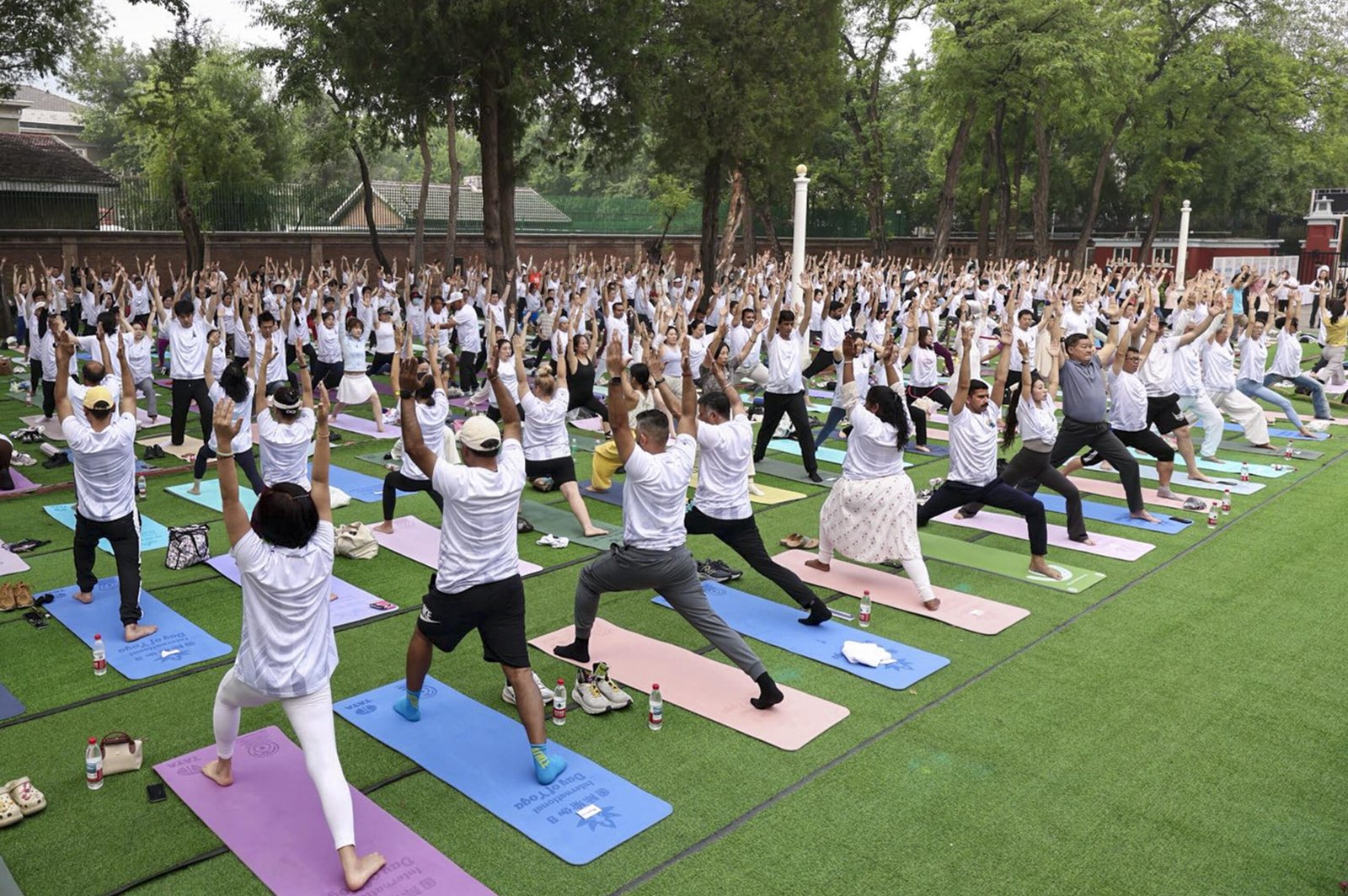
As the global burden of dementia and Alzheimer’s disease continues to rise, a new study conducted by the All India Institute of Medical Sciences (AIIMS) has brought encouraging news for patients, caregivers, and healthcare professionals. Researchers have found evidence suggesting that regular yoga practice may help slow cognitive decline in individuals experiencing early symptoms of memory loss and age-related neurological deterioration.
The findings add to a growing body of research highlighting the connection between physical activity, mental well-being, and brain health. While experts caution that yoga is not a cure for Alzheimer’s disease or dementia, the study suggests it could become an important complementary approach to maintaining cognitive function and improving quality of life.
The research has generated interest across the medical community, particularly as countries worldwide search for accessible, affordable, and preventive strategies to address the growing challenge of cognitive disorders.
Growing Concerns Around Cognitive Decline
Cognitive decline refers to the gradual deterioration of memory, attention, reasoning, and other mental abilities. While some decline is considered a normal part of aging, more significant impairment can interfere with daily life and may lead to conditions such as Alzheimer’s disease and dementia.
According to the World Health Organization (WHO), more than 55 million people worldwide are currently living with dementia, with nearly 10 million new cases diagnosed every year. India is also witnessing a rise in age-related neurological disorders as life expectancy increases and the population ages.
Healthcare experts have increasingly emphasized the importance of preventive approaches that support brain health before severe symptoms develop. Lifestyle interventions, including exercise, diet, stress management, and mental stimulation, have emerged as important areas of research.
The latest AIIMS study contributes to this growing conversation by examining how yoga may influence cognitive performance and neurological function.
What the AIIMS Study Found
Researchers observed participants practicing structured yoga sessions over an extended period and assessed changes in cognitive performance, mental well-being, and neurological markers.
The findings suggest that regular yoga practice may help improve attention, memory retention, emotional regulation, and overall cognitive function. Researchers believe these benefits may be linked to yoga’s ability to reduce stress, improve blood circulation, support brain plasticity, and promote overall mental wellness.
The study also highlights the potential role of yoga in supporting healthy aging by encouraging physical activity, mindfulness, and relaxation.
While additional research is needed to fully understand the long-term effects, the findings provide promising evidence that yoga could become an important component of preventive brain health strategies.
The Science Behind Yoga and Brain Health
Scientists have long studied the relationship between physical activity and cognitive function. Exercise is known to increase blood flow to the brain, stimulate the release of beneficial hormones, and support the growth of neural connections.
Yoga combines physical movement, controlled breathing, and mindfulness practices, creating a unique approach that addresses both physical and psychological health.
Experts suggest that chronic stress is one of the factors associated with accelerated cognitive decline. By helping reduce stress and improve emotional balance, yoga may contribute to healthier brain function over time.
Research has also linked meditation and mindfulness practices to improvements in attention, focus, and memory, further strengthening interest in yoga as a holistic wellness intervention.
Why This Matters for India
India holds a unique position in this conversation because yoga originated in the country and remains widely practiced across different age groups.
As healthcare systems increasingly focus on preventive medicine, the possibility of incorporating yoga into broader wellness programs presents an accessible and cost-effective opportunity. Unlike many medical interventions, yoga requires minimal equipment and can be adapted to suit individuals with different physical abilities.
The findings are particularly relevant as India continues to promote holistic health through initiatives that encourage physical activity, mental well-being, and healthy lifestyles.
Public health experts note that integrating evidence-based wellness practices with conventional medical care may help improve long-term health outcomes for millions of people.
Experts Urge Balanced Expectations
Despite the encouraging findings, researchers stress that yoga should not be viewed as a replacement for professional medical treatment.
Neurologists emphasize that cognitive disorders are complex conditions influenced by genetic, environmental, and lifestyle factors. While yoga may support brain health and potentially slow cognitive decline, it should be considered part of a broader approach that includes medical care, proper nutrition, regular exercise, and ongoing monitoring.
Experts also call for larger studies to further evaluate the relationship between yoga and neurological health across diverse populations.
Looking Ahead
The AIIMS study highlights the growing importance of preventive healthcare and lifestyle-based interventions in addressing some of the world’s most pressing health challenges.
As scientific interest in brain health continues to expand, yoga may play an increasingly important role in supporting cognitive wellness, healthy aging, and overall quality of life.
While further research is needed, the findings offer a positive reminder that simple, accessible practices can have meaningful impacts on long-term health. For India, where yoga remains deeply rooted in cultural tradition, the study reinforces the relevance of combining ancient wellness practices with modern scientific inquiry.
The research also reflects a broader shift toward preventive healthcare—one that prioritizes maintaining health and resilience before serious illness develops.
For more updates on business, healthcare, innovation, technology, and global developments, follow www.newsnownation.com.

