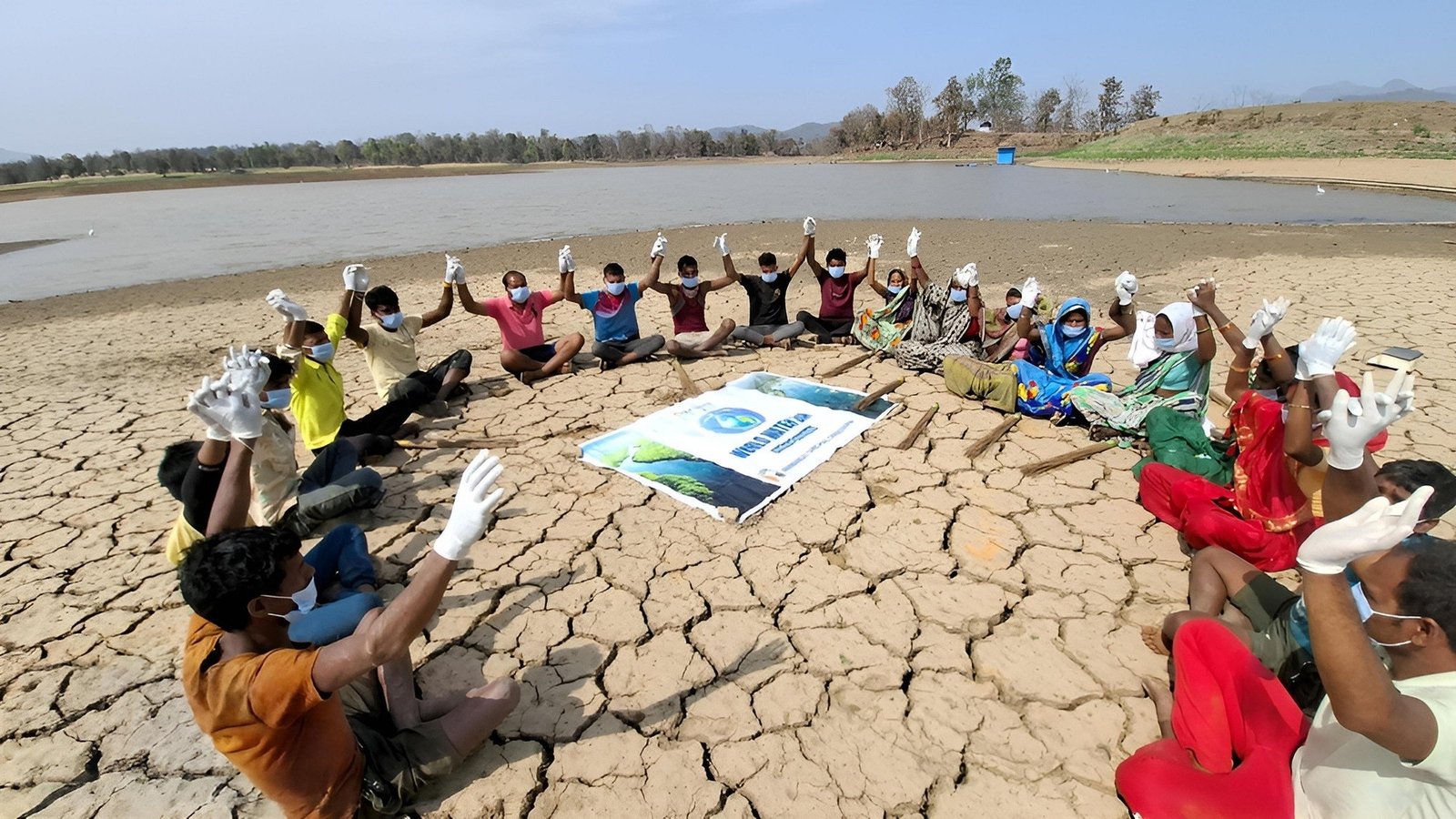
India’s growing focus on water conservation is emerging as one of the country’s most significant sustainability movements, driven by rising awareness, community participation, government initiatives, and technological innovation. From rainwater harvesting projects and lake restoration drives to smart irrigation systems and groundwater recharge efforts, conservation measures are gaining momentum across urban and rural India.
As climate change, population growth, and increasing water demand place pressure on freshwater resources, experts say sustainable water management is no longer an environmental choice but an economic and social necessity. The growing nationwide push reflects a broader understanding that water security is closely linked to agriculture, public health, economic growth, and climate resilience.
Water Security Moves to the National Spotlight
India is home to nearly 18 percent of the world’s population but possesses only around 4 percent of global freshwater resources. This imbalance has made water conservation a critical issue for policymakers, businesses, and communities alike.
Recent campaigns across several states have encouraged citizens to reduce water wastage, adopt rainwater harvesting systems, and revive traditional water bodies. The Ministry of Jal Shakti’s initiatives, combined with local government efforts, have increased awareness around sustainable water use and resource management.
Experts note that while India’s monsoon remains a vital source of water, changing rainfall patterns and growing urbanization have increased the need for long-term conservation strategies.
“Water conservation must become a continuous public movement rather than a seasonal response to shortages,” officials have repeatedly emphasized during recent awareness campaigns.
Communities Drive Local Action
One of the most encouraging developments is the growing role of local communities in protecting water resources.
Across villages and towns, residents are participating in pond rejuvenation projects, lake clean-up drives, watershed development programs, and groundwater recharge initiatives. Community-led efforts have helped restore neglected water bodies while creating greater awareness about responsible consumption.
Many schools and educational institutions have also integrated water conservation activities into environmental awareness programs. Students are being encouraged to understand the importance of water security and adopt sustainable habits from an early age.
Environmental organizations believe community ownership remains one of the strongest factors behind the success of conservation projects.
Technology Brings New Solutions
Technology is increasingly playing a key role in improving water efficiency across sectors.
In agriculture, smart irrigation systems and precision farming techniques are helping farmers optimize water usage while maintaining crop productivity. Drip irrigation and sensor-based monitoring systems have become valuable tools for reducing water wastage.
Urban areas are also witnessing innovation through smart water meters, leak detection technologies, and digital monitoring platforms that help improve water distribution efficiency.
Startups working in water technology are developing solutions focused on conservation, recycling, and resource optimization. Industry experts believe these innovations could become increasingly important as cities and industries face growing pressure on water supplies.
Economic Benefits of Conservation
Water conservation is often viewed through an environmental lens, but its economic implications are equally significant.
Agriculture accounts for a major share of India’s water consumption. Improving efficiency in irrigation and water management can enhance productivity while reducing operational costs for farmers.
Industries are also recognizing that sustainable water practices can improve long-term resilience and reduce business risks. Investors and global stakeholders are increasingly evaluating companies based on their environmental performance, including water stewardship.
According to sustainability experts, efficient water management can contribute to stronger economic growth, improved resource security, and greater resilience against climate-related disruptions.
Climate Resilience and Sustainability
Climate scientists continue to warn that extreme weather events, shifting rainfall patterns, and prolonged dry spells could affect water availability in many regions.
Conservation initiatives help strengthen resilience by improving storage capacity, protecting groundwater reserves, and promoting responsible consumption.
Nature-based solutions such as wetland restoration, watershed management, and ecosystem conservation are also receiving greater attention as effective approaches to long-term water security.
Environmental experts emphasize that water conservation should be viewed not merely as a response to scarcity but as a proactive strategy for sustainable development.
A Growing Movement for the Future
The momentum behind water conservation across India signals a positive shift in public awareness and environmental responsibility. Communities, businesses, educational institutions, and government agencies are increasingly recognizing that sustainable water management is essential for long-term prosperity.
While challenges remain, the growing number of conservation initiatives demonstrates how collective action can create meaningful impact. The movement is not simply about saving water today; it is about securing resources for future generations.
As India continues to pursue economic growth and sustainability goals, water conservation is likely to remain at the center of environmental and development discussions.
The message emerging from communities across the country is clear: every drop counts, and every effort matters.
For more updates on business, sustainability, innovation, technology, and economic developments, follow NewsNowNation.com.

