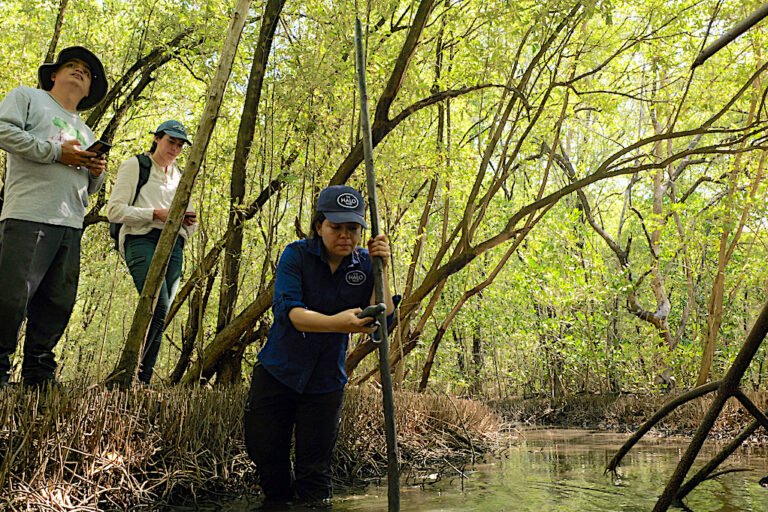
Global Conservation Initiatives Drive Recovery of Vital Coastal Forests
Mangrove restoration efforts around the world are delivering encouraging results, offering fresh hope for biodiversity conservation, climate resilience, and sustainable coastal development. Recent environmental assessments and conservation reports indicate that several regions are witnessing measurable recovery in mangrove ecosystems, highlighting the positive impact of coordinated restoration programs, community participation, and long-term environmental planning.
Why Mangroves Matter
Mangroves are among the most valuable ecosystems on Earth. Found along tropical and subtropical coastlines, these unique forests serve as natural barriers against storms, support marine biodiversity, protect shorelines from erosion, and capture significant amounts of carbon from the atmosphere. Despite their ecological importance, mangrove forests have faced decades of pressure from urbanization, coastal development, pollution, and climate-related challenges.
Restoration Efforts Deliver Positive Results
The latest restoration successes demonstrate that targeted conservation strategies can reverse environmental degradation and restore ecological balance. Governments, environmental organizations, local communities, researchers, and international institutions have increasingly collaborated to expand mangrove restoration initiatives across Asia, Africa, Latin America, and other coastal regions.
Scientists describe the recent recovery trends as one of the most encouraging developments in global ecosystem restoration efforts. In several countries, restored mangrove habitats are already showing improvements in biodiversity, water quality, fish populations, and shoreline stability.
The Role of Mangroves in Climate Action
One of the key reasons mangroves receive growing attention from policymakers and conservation experts is their exceptional ability to store carbon. Often referred to as “blue carbon ecosystems,” mangrove forests can absorb and retain significantly more carbon per hectare than many terrestrial forests. This makes them an important tool in global efforts to address climate change and reduce greenhouse gas concentrations.
Supporting Biodiversity and Marine Life
Beyond climate benefits, mangroves provide critical habitat for a wide range of marine and coastal species. Fish, crabs, shrimp, mollusks, birds, and numerous other organisms depend on mangrove ecosystems during different stages of their life cycles. Healthy mangrove forests support biodiversity while contributing to sustainable fisheries and food security for millions of people worldwide.
Economic Benefits for Coastal Communities
The economic value of mangroves is equally significant. Coastal communities rely on these ecosystems for livelihoods linked to fishing, tourism, aquaculture, and natural resource management. By protecting coastlines from storm surges and erosion, mangroves also help reduce the economic costs associated with extreme weather events and environmental damage.
Community-Led Conservation Makes a Difference
Recent restoration projects have demonstrated the effectiveness of combining scientific expertise with local knowledge. Community-led conservation programs have become an important component of successful restoration initiatives, ensuring that environmental protection efforts align with local needs and economic priorities.
Technology Enhances Restoration Success
In many regions, restoration teams are using advanced mapping technologies, satellite monitoring, ecological assessments, and data-driven planning to identify priority areas for rehabilitation. These approaches help improve the long-term success of restoration projects while maximizing ecological benefits.
Growing International Support for Mangrove Conservation
International support for mangrove conservation has also increased significantly in recent years. Global environmental organizations and multilateral institutions have recognized mangrove restoration as a high-impact solution capable of delivering multiple environmental and socioeconomic benefits simultaneously.
The United Nations Decade on Ecosystem Restoration has further accelerated interest in large-scale restoration projects. Mangroves are frequently highlighted as a priority ecosystem because of their ability to contribute to biodiversity conservation, climate adaptation, disaster risk reduction, and sustainable development goals.
Countries Report Measurable Gains
Several countries have reported measurable gains in mangrove coverage through restoration initiatives. Improved management practices, stronger environmental regulations, and public awareness campaigns have contributed to reducing habitat loss while encouraging ecosystem recovery.
Researchers note that restoring mangroves often generates positive ripple effects throughout surrounding ecosystems. Healthier coastal forests can improve water quality, support marine nurseries, strengthen fisheries, and enhance the resilience of coral reefs and seagrass beds.
Strengthening Climate Resilience
Climate resilience remains one of the most important benefits associated with mangrove restoration. Coastal communities worldwide face increasing risks from rising sea levels, stronger storms, and changing weather patterns. Mangrove forests provide a natural form of protection by absorbing wave energy and reducing the impact of coastal flooding.
A Smart Long-Term Investment
Environmental economists increasingly view ecosystem restoration as a smart long-term investment. The economic value generated through coastal protection, fisheries support, carbon storage, and tourism often exceeds the costs associated with restoration activities. As a result, governments and investors are showing growing interest in nature-based solutions that combine environmental and economic benefits.
The Importance of Long-Term Commitment
The success of recent mangrove restoration efforts highlights the importance of sustained commitment and collaboration. Effective restoration requires long-term monitoring, habitat protection, scientific research, community engagement, and supportive policy frameworks. When these elements work together, degraded ecosystems can recover and continue providing valuable services for generations.
A Positive Outlook for Coastal Ecosystems
The encouraging results emerging from mangrove restoration projects worldwide serve as a reminder that positive environmental outcomes are achievable. While environmental challenges remain significant, successful restoration stories demonstrate that coordinated action can deliver meaningful progress.
As countries continue investing in climate resilience, biodiversity protection, and sustainable development, mangrove conservation is expected to play an increasingly important role. The recovery of these coastal ecosystems offers a practical example of how nature-based solutions can support both environmental health and economic prosperity.
Looking Ahead
The growing success of global mangrove restoration efforts represents more than an environmental achievement. It reflects a broader recognition that protecting and restoring natural ecosystems is essential for building a sustainable future. By strengthening biodiversity, supporting coastal communities, and helping address climate challenges, mangroves continue to prove why they are among the world’s most valuable natural resources.
For more updates on sustainability, environment, climate, business, innovation, and global developments, follow News Now Nation at www.newsnownation.com.

