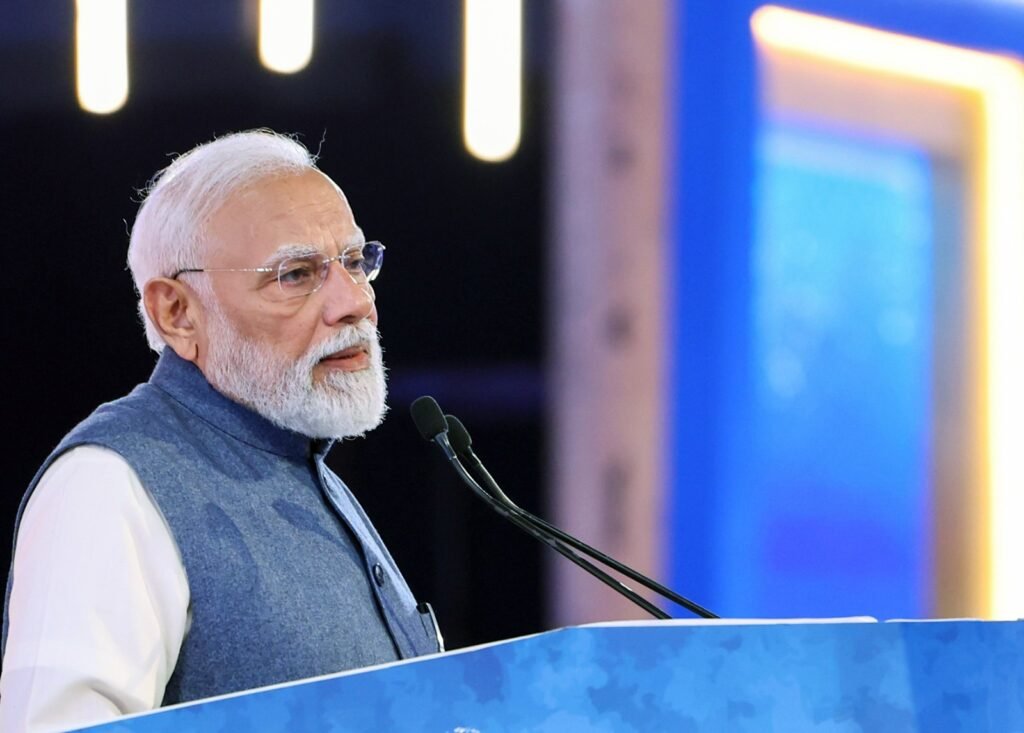
A Decade of Welfare-Centric Governance
India’s development journey over the past decade has been deeply rooted in the principle of “Garib Kalyan,” a vision that prioritizes the welfare of the poor and marginalized sections of society. Prime Minister Narendra Modi recently emphasized that the transformations witnessed in India over the last 12 years are centered around uplifting those who were historically left behind. This approach reflects a governance model that aims to bridge socio-economic gaps while ensuring inclusive growth across all regions of the country.
According to the Prime Minister, the philosophy of Antyodaya — which focuses on reaching the last person in the queue — has been the guiding force behind policy-making. The government’s initiatives have consistently aimed at empowering individuals rather than merely providing aid, thereby creating long-term opportunities for growth and self-reliance.
Key Government Schemes Driving Transformation
Over the years, several flagship schemes have played a crucial role in reshaping the lives of millions of Indians. Programs such as Jan Dhan Yojana have expanded financial inclusion by bringing banking services to the unbanked population. Similarly, Direct Benefit Transfer (DBT) has revolutionized the way subsidies and benefits are delivered, ensuring transparency and reducing corruption.
Initiatives like Swachh Bharat Abhiyan have significantly improved sanitation standards, while Pradhan Mantri Awas Yojana has provided affordable housing to the underprivileged. The Jal Jeevan Mission has worked toward ensuring access to clean drinking water in rural areas, and Ayushman Bharat has made healthcare more accessible and affordable for millions.
These schemes collectively demonstrate a multi-dimensional approach to development, addressing essential needs such as housing, sanitation, healthcare, and financial inclusion. The Prime Minister highlighted that each of these initiatives is driven by the objective of ensuring dignity and equal opportunity for every citizen.
Role of Technology in Empowering the Poor
One of the defining aspects of India’s transformation has been the integration of technology into governance. Digital platforms have enabled the government to directly connect with beneficiaries, eliminating intermediaries and minimizing leakages. Through DBT and digital payment systems, financial assistance now reaches individuals in a timely and transparent manner.
This technological advancement has not only improved efficiency but also strengthened trust in governance. Beneficiaries can now access services and schemes without bureaucratic hurdles, making the system more accessible and citizen-friendly. The use of technology has thus become a powerful tool in ensuring that development reaches every corner of the country.
Inclusive Growth and Human Empowerment
The concept of Garib Kalyan extends beyond welfare schemes; it represents a broader vision of human empowerment. By focusing on education, healthcare, financial inclusion, and basic infrastructure, the government aims to create an environment where individuals can thrive independently.
The Prime Minister noted that the journey of Garib Kalyan has evolved into a collective movement, involving not just the government but also citizens and institutions. This collaborative approach has contributed to building a stronger and more resilient society, where growth is shared and inclusive.
Furthermore, the emphasis on dignity ensures that beneficiaries are not treated as passive recipients but as active participants in the nation’s development. This shift in perspective is crucial in fostering self-confidence and long-term socio-economic progress.
Economic and Social Impact of Welfare Initiatives
The impact of these welfare-driven policies is evident across various sectors. Financial inclusion has empowered millions to participate in the formal economy, while improved healthcare access has enhanced quality of life. Housing and sanitation initiatives have contributed to better living conditions, particularly in rural areas.
Additionally, these programs have had a ripple effect on economic growth by increasing consumption, generating employment, and improving productivity. By addressing fundamental needs, the government has laid a strong foundation for sustainable development.
The focus on reducing leakages and ensuring efficient delivery of benefits has also improved governance standards. Transparent systems have minimized corruption and ensured that resources are utilized effectively, thereby maximizing the impact of public spending.
Vision of Viksit Bharat
The ultimate goal of these initiatives is to transform India into a developed nation, often referred to as “Viksit Bharat.” The Prime Minister emphasized that the progress achieved so far is just the beginning, and continued efforts are required to sustain and accelerate this growth.
The vision of Viksit Bharat is not limited to economic prosperity; it encompasses social equity, technological advancement, and environmental sustainability. By prioritizing the welfare of the poor, the government aims to create a balanced and inclusive growth model that benefits all sections of society.
This long-term vision aligns with India’s aspirations to emerge as a global economic powerhouse while maintaining its commitment to social justice and equality.
Conclusion
The emphasis on Garib Kalyan as the core of India’s transformation highlights a governance approach that prioritizes inclusivity and empowerment. Over the past 12 years, various initiatives have significantly improved the lives of millions, demonstrating the effectiveness of welfare-centric policies combined with technological innovation.
As India continues its journey toward becoming a developed nation, the focus on uplifting the most vulnerable sections of society remains crucial. The success of this approach lies in its ability to create opportunities, ensure dignity, and foster sustainable growth for all.
For more updates regarding business-related news, follow newsnownation.com.
