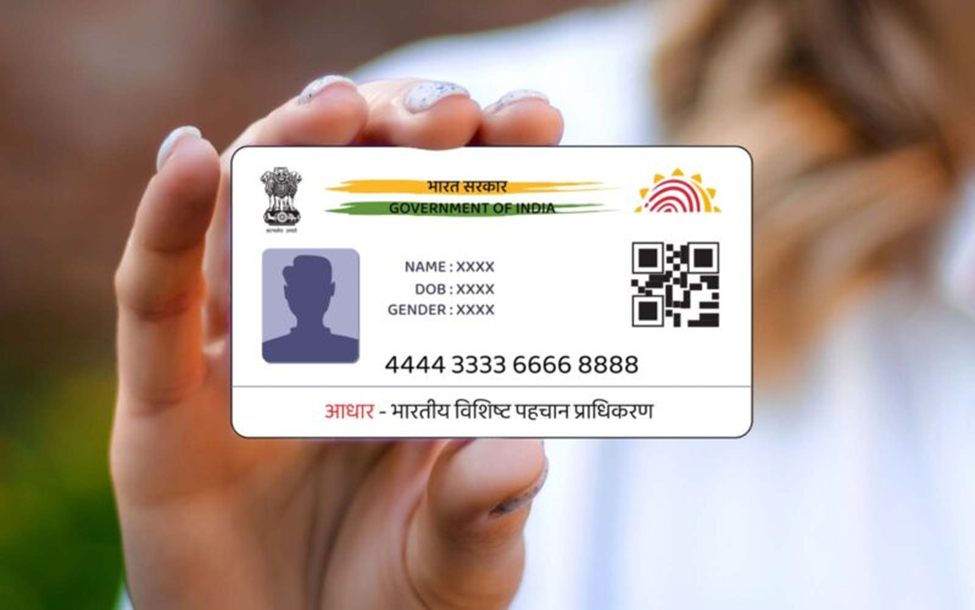
A recent proposal by the Indian government to preload the Aadhaar application on smartphones has sparked debate across the technology sector. The move, aimed at increasing accessibility and ease of use for citizens, has been met with resistance from major smartphone manufacturers and industry bodies citing concerns over privacy, cost and user experience.
The development highlights the growing intersection between governance, technology and user rights in India’s rapidly expanding digital ecosystem.
Proposal to Pre-install Aadhaar App
The proposal was initiated earlier this year when authorities suggested that smartphone companies explore the possibility of pre-installing the Aadhaar app on new devices. The initiative was reportedly intended to ensure that users could easily access Aadhaar services without needing to download the application separately.
Aadhaar, India’s unique digital identity system, is used by more than 1.3 billion people for various services including banking, telecom verification and government welfare schemes.
Officials believe that preloading the app would improve convenience, increase digital adoption and make it easier for users to manage identity-related services on their devices.
Industry Raises Concerns
Despite the intended benefits, the proposal has faced strong opposition from smartphone companies and industry associations. The Mobile Association of India and Telecom (MAIT), representing major global technology firms, has reportedly raised objections to the plan.
Industry stakeholders have highlighted several concerns:
- Increased manufacturing and production costs
- Need for separate device configurations for India
- Potential impact on device performance
- Security and privacy risks for users
Companies such as Apple, Samsung and Google were among those reportedly cautious about implementing such a move due to technical and regulatory implications.
The industry has also pointed out that mandatory pre-installation of government applications is not a common global practice, with very few countries adopting such measures.
Privacy and Security Debate
The proposal has also reignited discussions around data privacy and digital security. Aadhaar, while widely used, has previously faced criticism over data protection concerns and alleged breaches.
Experts argue that preloading an identity-linked application onto smartphones raises questions about user consent and control. Critics believe that users should have the freedom to choose which applications they install on their devices.
Privacy advocates have expressed concerns that such measures could be seen as an expansion of state influence over personal digital devices.
These concerns are particularly relevant in a time when digital privacy is becoming a key issue globally.
Government’s Perspective
From the government’s standpoint, the proposal is part of a broader push toward digital governance and improved service delivery. By making Aadhaar more accessible, authorities aim to streamline processes such as identity verification, document updates and service access.
The Aadhaar app allows users to:
- Update personal information
- Manage family profiles
- Lock or unlock biometric data
- Access digital identity services
Supporters of the initiative argue that pre-installation could make these services more widely available, especially for users who may not be familiar with downloading and managing applications.
Past Pre-installation Controversies
The Aadhaar app proposal is not the first instance of debate around pre-installed government applications. In previous cases, similar proposals related to telecom or security apps faced backlash from both industry players and civil society groups.
In some instances, such decisions were rolled back following criticism, highlighting the sensitivity of the issue.
The current situation reflects an ongoing tension between efforts to expand digital infrastructure and the need to maintain user autonomy and privacy.
Balancing Innovation and User Rights
India’s digital transformation has been one of the fastest in the world, driven by initiatives such as Digital India, UPI and Aadhaar. However, as technology becomes more integrated into daily life, questions around regulation, privacy and user rights are becoming increasingly important.
Experts suggest that any policy involving digital platforms must strike a balance between accessibility and individual freedom.
Ensuring transparency, user consent and robust data protection frameworks will be essential in building trust in digital systems.
What Lies Ahead
It remains unclear whether the proposal to preload the Aadhaar app will be implemented or modified following industry feedback. Discussions between the government and technology companies are expected to continue.
The outcome of this debate could set an important precedent for how digital services are integrated into consumer devices in India.
As the country continues its journey toward a digital economy, decisions like these will play a crucial role in shaping the relationship between technology, governance and citizens.
Follow for more updates regarding business related news in newsnownation.com.
