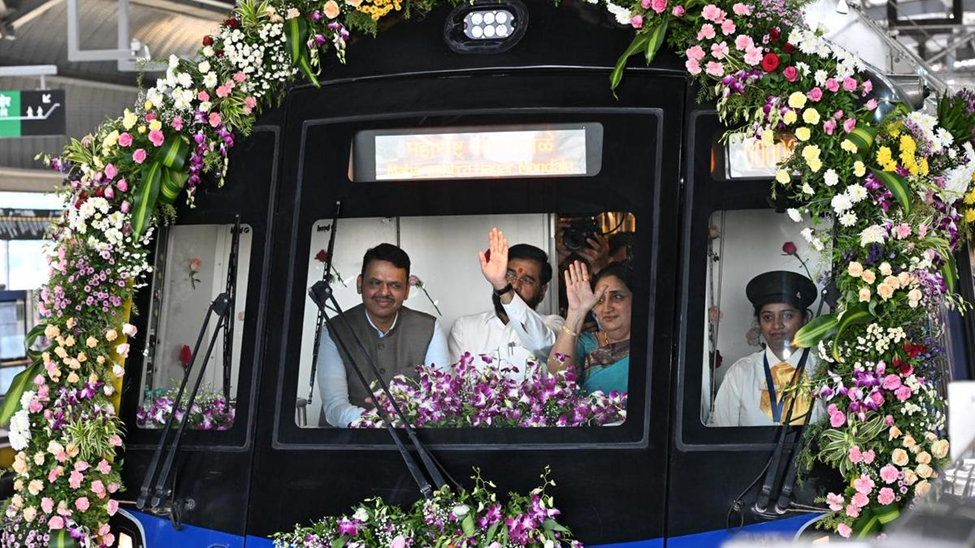
Major Step in Mumbai’s Transport Development
The Maharashtra government has taken a significant step toward strengthening urban infrastructure with the inauguration of Metro Line 9, marking another milestone in the expansion of Mumbai’s metro network. The new line is expected to improve connectivity across key suburban regions, ease traffic congestion and provide faster, more efficient travel options for daily commuters.
Metro Line 9 forms part of the larger Mumbai Metro expansion plan, which aims to create an integrated and modern public transport system across the metropolitan region. With rapid urbanization and increasing population density, the need for reliable and sustainable transport solutions has become more critical than ever.
The inauguration of this metro line is expected to benefit thousands of commuters who travel daily between residential and commercial hubs. By reducing dependence on road transport, the metro will help cut travel time, lower fuel consumption and contribute to a cleaner environment.
Metro Line 9 is strategically designed to connect important areas, ensuring smoother last-mile connectivity and better accessibility to various parts of the city. The project aligns with the government’s vision of enhancing urban mobility while supporting economic growth and infrastructure development.
The expansion of metro services in Mumbai has been a key priority for the state government. Over the years, multiple metro lines have been planned and executed to reduce pressure on existing transport systems such as local trains and road networks. Metro Line 9 adds to this growing network, bringing the city closer to a seamless and interconnected transport system.
One of the major advantages of metro rail systems is their efficiency and reliability. Unlike road transport, metro services are less affected by traffic conditions, ensuring punctuality and consistency in travel. This makes them a preferred choice for urban commuters, particularly in densely populated cities like Mumbai.
The new metro line is also expected to play a crucial role in reducing traffic congestion. With more people shifting to metro travel, the number of vehicles on the road is likely to decrease, leading to smoother traffic flow and reduced travel delays.
In addition to improving connectivity, Metro Line 9 is expected to have a positive impact on the real estate sector. Areas located along the metro corridor often witness increased demand for residential and commercial properties due to improved accessibility. This can lead to higher property values and increased investment in infrastructure.
The project also reflects the government’s commitment to sustainable development. Metro systems are considered environmentally friendly as they produce lower emissions compared to traditional modes of transport. By promoting public transport, the government aims to reduce the city’s carbon footprint and improve air quality.
The inauguration ceremony was attended by key government officials and stakeholders involved in the project. The event highlighted the importance of infrastructure development in driving economic growth and improving the quality of life for citizens.
The Mumbai Metro network is being developed with a long-term vision of creating a world-class urban transport system. With several lines under construction and others in the planning stage, the city is set to witness a major transformation in its public transport infrastructure.
Metro Line 9 is expected to integrate with other metro lines and transport systems, creating a comprehensive network that allows passengers to travel seamlessly across the city. Such integration is essential for maximizing the efficiency and effectiveness of public transport systems.
The success of metro projects depends not only on infrastructure but also on public adoption. Encouraging more people to use metro services will be crucial in achieving the desired benefits of reduced congestion and improved mobility.
The government has also emphasized the importance of safety and convenience in metro operations. Modern facilities, efficient ticketing systems and enhanced security measures are being implemented to ensure a comfortable travel experience for passengers.
As cities continue to grow, the demand for efficient transport solutions will only increase. Investments in metro infrastructure are seen as a long-term solution to urban mobility challenges, providing a reliable and sustainable alternative to road transport.
The inauguration of Metro Line 9 represents a step forward in addressing these challenges and building a more connected and accessible urban environment.
Overall, the project highlights the role of infrastructure development in shaping the future of cities. By improving connectivity, reducing congestion and promoting sustainable transport, metro systems contribute significantly to economic growth and urban development.
As Mumbai continues to expand, projects like Metro Line 9 will play a crucial role in ensuring that the city remains efficient, livable and well-connected.
Follow for more updates regarding business related news in newsnownation.com.
