New Delhi, September 4, 2025
The 56th meeting of the GST Council has approved sweeping reforms in India’s indirect tax regime, marking the biggest structural overhaul since the tax was introduced in 2017. The Council has decided to streamline the Goods and Services Tax into two principal slabs—5% and 18%—with a new 40% “sin and luxury” slab imposed on select high-end products. The changes will take effect from September 22, 2025, and are expected to ease compliance, lower costs for households, and spur economic growth ahead of the festive season.
The reforms slash GST on hundreds of essential goods and services. Items such as soaps, shampoos, toothpaste, bicycles, namkeen, pasta, chocolates, butter, ghee, and cornflakes will now fall under the 5% slab, while milk, paneer, roti, and other staples have been moved to the nil (0%) category. Life-saving drugs, diagnostic kits, and medical devices will also attract lower or no GST, reducing the burden on patients.
Consumer durables and appliances, including televisions up to 32 inches, air conditioners, dishwashers, motorcycles below 350 cc, and cement, have been brought down to the 18% bracket from higher earlier rates. In addition, tractors, fertilizers, handicrafts, renewable energy parts, and hotel rooms priced under ₹7,500 per night will now attract only 5%. Even services such as beauty treatments, gyms, salons, and yoga centers will be taxed at 5%, bringing relief to middle-class households.
On the other hand, the Council introduced a steep 40% slab for sin and luxury goods. This includes aerated drinks, pan masala, gutka, high-end motorcycles above 350 cc, helicopters, yachts, and premium luxury services. Some tobacco products will continue under the existing cess system until compensation loans are repaid, after which they will shift to the new slab.
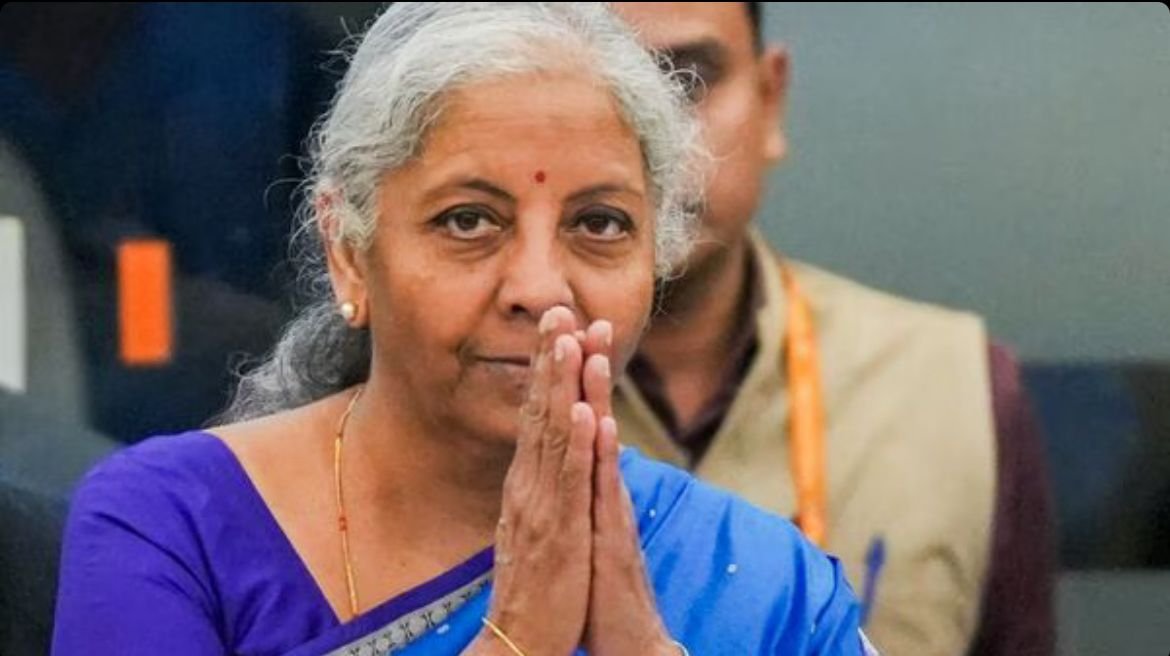
Union Finance Minister Nirmala Sitharaman highlighted the consumer-friendly approach of the reforms. “This rationalization will bring clarity, simplify compliance for businesses, and most importantly, make daily essentials affordable for the common man,” she said after the meeting. Officials estimate the fiscal impact of the changes at ₹48,000 crore, but emphasized that the revenue loss would be offset by increased demand and long-term growth.
Prime Minister Narendra Modi also lauded the move, calling it a “next-generation reform” that will benefit the middle class and drive India’s journey towards becoming a $5 trillion economy. “These decisions will directly ease the lives of millions of families and make India’s consumption story stronger,” he said in a statement.
For businesses, especially MSMEs and exporters, the Council approved faster registration timelines—cutting approval from 30 days to just three days—and an automated GST refund system to streamline operations. Industry bodies have welcomed these measures, noting that simpler structures will improve compliance and competitiveness.
Economists believe the shift will reduce the overall weighted average GST rate, currently estimated at around 9.5%, while giving India a consumption-driven boost at a time of global economic uncertainty. By cutting taxes on essentials and supporting industry, the government aims to strike a balance between fiscal prudence and growth.
As India heads into the festive season, the reforms are expected to lower prices, revive demand across sectors, and ease inflationary pressures. For households and businesses alike, the new GST regime signals a decisive shift toward simplification and inclusivity.
– By NewsNowNation Editorial Team | Edited by Gaurav Virendra Agrawal

