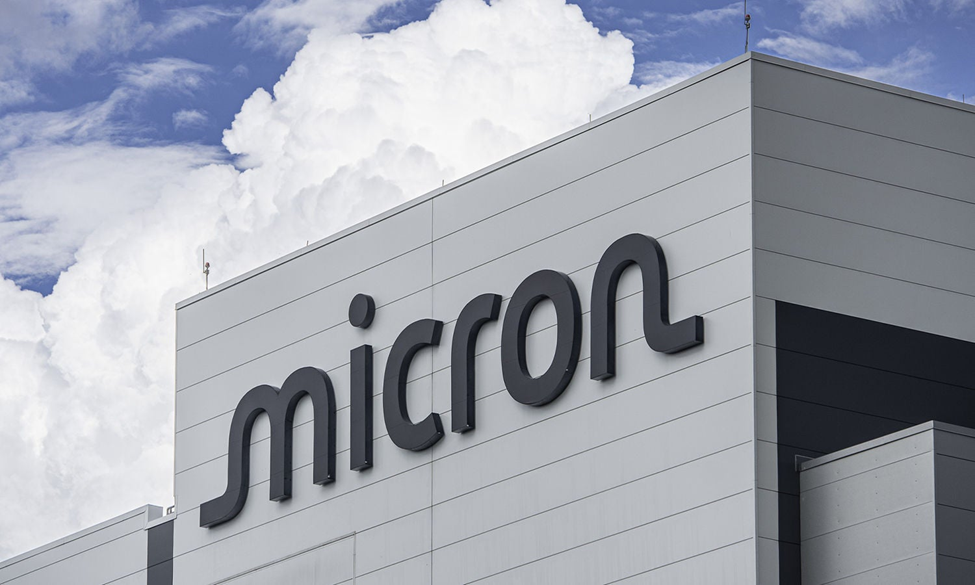
India’s ambitions to become a significant player in the global semiconductor supply chain received a major boost with the inauguration of a new semiconductor facility by Micron Technology. The project marks a crucial step in the country’s strategy to strengthen domestic chip manufacturing and reduce dependence on imports in a sector that has become essential for modern technology and economic growth.
The new facility represents a landmark development for India’s semiconductor ecosystem. As global demand for semiconductors continues to surge due to rapid technological advancements in artificial intelligence, consumer electronics, automotive manufacturing, and telecommunications, countries around the world are working to build resilient and diversified supply chains. India’s move to attract global semiconductor manufacturers is seen as a strategic effort to position itself as a key hub in this evolving landscape.
Semiconductors are the backbone of modern digital infrastructure. They power smartphones, computers, automobiles, medical devices, and industrial equipment. The global chip shortage experienced in recent years exposed vulnerabilities in supply chains that were heavily dependent on a limited number of manufacturing hubs. In response, many nations have started investing heavily in domestic semiconductor production to enhance technological sovereignty and economic security.
The establishment of Micron’s semiconductor facility aligns with India’s broader policy framework aimed at boosting electronics manufacturing and technology innovation. The Indian government has introduced several initiatives and incentive schemes to attract global semiconductor companies to set up operations in the country. These efforts are part of a long-term strategy to create a strong semiconductor ecosystem that includes manufacturing, packaging, testing, and research and development.
Industry experts believe that the presence of a global technology leader like Micron will help accelerate the development of India’s semiconductor value chain. Beyond direct investment, the facility is expected to generate employment opportunities, foster skill development, and encourage collaborations with academic institutions and research organizations.
Another key benefit of such projects is the development of a supportive ecosystem involving suppliers, logistics providers, and technology partners. Semiconductor manufacturing requires a highly sophisticated network of companies that supply specialized equipment, chemicals, materials, and engineering services. As more global players invest in India, the domestic ecosystem is likely to expand, creating additional economic opportunities.
The semiconductor industry is also closely linked with innovation and technological advancement. Establishing advanced manufacturing facilities can contribute to knowledge transfer and the development of high-tech capabilities within the country. This is particularly important for India as it seeks to strengthen its position in emerging sectors such as artificial intelligence, advanced computing, electric vehicles, and next-generation telecommunications.
In addition to economic benefits, semiconductor manufacturing is becoming an important geopolitical factor. Countries are increasingly recognizing the strategic importance of controlling critical technology supply chains. By attracting global chip manufacturers and investing in domestic capabilities, India aims to ensure that it remains competitive in the global technology landscape.
The inauguration of the Micron facility therefore represents more than just an industrial investment. It signals India’s growing importance in the global semiconductor ecosystem and highlights the country’s commitment to building a strong technology-driven economy.
While challenges remain, including infrastructure requirements, supply chain development, and the need for a highly skilled workforce, the progress made so far indicates strong momentum. With continued policy support, international collaboration, and investment from global technology companies, India’s semiconductor sector is expected to witness significant growth in the coming years.
The successful establishment of advanced semiconductor facilities could also encourage other global manufacturers to consider India as a viable destination for high-tech investments. As the digital economy continues to expand, the importance of secure and diversified semiconductor supply chains will only increase.
India’s semiconductor journey is still evolving, but projects like the new Micron facility demonstrate that the country is steadily moving toward becoming a key player in the global technology ecosystem.
Follow for more updates regarding business-related news on newsnownation.com.
