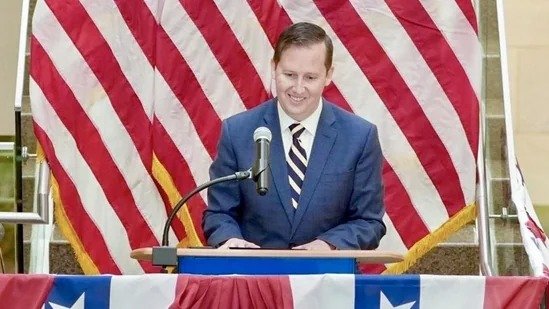
In a significant development for global energy dynamics, US Ambassador to India, Sergio Gor, has confirmed that New Delhi is actively working to diversify its oil import options. Speaking on the sidelines of the India AI Impact Summit 2026 in New Delhi, the Ambassador highlighted that Bharat is moving away from its heavy reliance on Russian crude, signalling a major shift in its energy procurement strategy to ensure long-term stability and national interest.
Since early 2022, India had ramped up purchases of discounted Russian oil, with imports reaching nearly 40% of its total share at one point. However, recent data shows a sharp decline. In January 2026, Russian shipments fell to just 21.2%, their lowest level since late 2022. Ambassador Gor emphasized that this shift is part of a broader commitment under the recent India-US understanding, where Washington has been clear that it “doesn’t want anyone buying Russian oil” to facilitate an end to the ongoing conflict in Europe.
As Russia’s share shrinks, India is looking toward South America. Ambassador Gor revealed that active negotiations are currently underway between the US Department of Energy and India’s Ministry of Energy regarding the purchase of Venezuelan oil. While some aspects of these talks remain confidential, the Ambassador expressed hope for clarity soon, noting that Indian refiners have already started integrating Venezuelan crude into their broader energy portfolio for 2026.
This energy diversification is deeply linked to a landmark trade agreement. Ambassador Gor indicated that the India-US trade deal is set to be “inked soon,” with an interim agreement already facilitating a massive reduction in US tariffs on Indian goods—dropping from 50% to 18%. This deal is expected to strengthen economic ties, enhance market access, and bolster strategic collaboration across technology and commerce sectors.
Beyond oil, the bilateral relationship is reaching new heights with India joining Pax Silica, a US-led strategic alliance focused on building resilient supply chains for critical minerals and Artificial Intelligence. Ambassador Gor described India’s entry as a “strategic move” that bolsters the overall trajectory of bilateral ties, emphasizing that India’s deep bench of talent makes it an indispensable partner for the future.
India’s pragmatic approach to energy security—balancing its domestic demand with evolving global partnerships—marks a new chapter in its foreign policy. By diversifying away from Russia and toward the US and Venezuela, Bharat is not only securing its energy future but also cementing its position as a key player in the new global economic order.
