India’s Semiconductor Vision Gains Momentum
Prime Minister Narendra Modi recently emphasized India’s ambition to become a key player in the global semiconductor supply chain, highlighting the importance of upcoming semiconductor manufacturing facilities in Gujarat. The development marks a significant step in India’s journey toward technological self-reliance and strengthening its position in the global electronics ecosystem.
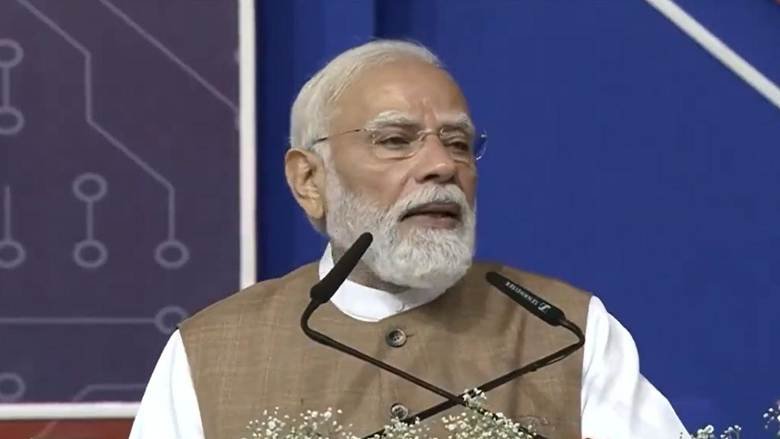
Speaking at a public event, the Prime Minister underscored how India is rapidly emerging as a preferred destination for semiconductor investments, driven by policy support, infrastructure development and a growing demand for electronics. The focus on Gujarat as a hub for semiconductor manufacturing reflects the government’s strategic approach to building a strong and sustainable technology ecosystem in the country.
Semiconductors are the backbone of modern technology, powering devices ranging from smartphones and laptops to automobiles and industrial systems. As global demand for chips continues to rise, countries across the world are investing heavily to secure their position in the supply chain. India’s push in this direction signals its intent to reduce dependency on imports and become a major manufacturing hub.
The Gujarat semiconductor facility is part of a broader initiative aimed at boosting domestic manufacturing under the “Make in India” and “Digital India” programs. The government has introduced several incentives, including financial support and policy reforms, to attract global semiconductor companies to invest in the country.
During his address, the Prime Minister highlighted that India offers a combination of skilled talent, a growing domestic market and a stable policy environment, making it an attractive destination for technology investments. He also pointed out that the semiconductor sector will play a crucial role in driving innovation, job creation and economic growth in the coming years.
The development of semiconductor facilities in Gujarat is expected to create thousands of employment opportunities, both directly and indirectly. From engineering and manufacturing to logistics and support services, the impact of such projects is likely to be far-reaching.
India’s semiconductor push also comes at a time when global supply chains are undergoing significant shifts. The COVID-19 pandemic exposed vulnerabilities in chip supply, leading to shortages across industries worldwide. As a result, countries are now focusing on building resilient and diversified supply chains.
By investing in semiconductor manufacturing, India aims to position itself as a reliable partner in the global supply chain. The Gujarat facility is expected to contribute to this goal by enhancing domestic production capabilities and reducing reliance on imports.
In addition to manufacturing, the government is also focusing on research and development in the semiconductor sector. Efforts are being made to build a strong ecosystem that includes design, fabrication and testing capabilities. This holistic approach is essential for creating a sustainable and competitive semiconductor industry.
The Prime Minister also highlighted the role of state governments in supporting such initiatives. Gujarat, with its strong industrial base and investor-friendly policies, has emerged as a key destination for semiconductor projects. The state’s infrastructure and connectivity further add to its attractiveness for large-scale investments.
Another important aspect of India’s semiconductor strategy is collaboration with global players. Partnerships with international companies are expected to bring advanced technology, expertise and best practices to the country. This will not only accelerate the development of the sector but also enhance India’s competitiveness in the global market.
The semiconductor industry is capital-intensive and requires significant investment in infrastructure, technology and skilled workforce. Recognizing this, the government has committed substantial resources to support the sector and ensure its long-term growth.
The Gujarat facility is expected to serve as a catalyst for the development of a broader semiconductor ecosystem in India. It could lead to the establishment of ancillary industries, including component manufacturing, equipment supply and support services. This, in turn, will strengthen the overall electronics manufacturing sector in the country.
Furthermore, the growth of the semiconductor industry is closely linked to advancements in emerging technologies such as artificial intelligence, 5G and the Internet of Things (IoT). By building capabilities in semiconductor manufacturing, India can position itself at the forefront of these technological developments.
The Prime Minister’s emphasis on the semiconductor sector also reflects a broader vision of making India a global technology powerhouse. As digital transformation continues to accelerate, the demand for semiconductors is expected to grow significantly, creating new opportunities for countries that can meet this demand.
The Gujarat semiconductor facility represents a major milestone in India’s journey toward technological self-sufficiency. It highlights the country’s commitment to building a robust manufacturing ecosystem and reducing dependence on external sources.
As the project progresses, it is expected to attract further investments and strengthen India’s position in the global semiconductor landscape. The success of such initiatives will depend on continued policy support, industry collaboration and a focus on innovation.
Overall, the push for semiconductor manufacturing in Gujarat marks a significant step forward in India’s economic and technological development. It underscores the importance of strategic planning and long-term vision in building a competitive and resilient industry.
Follow for more updates regarding business related news in newsnownation.com.
