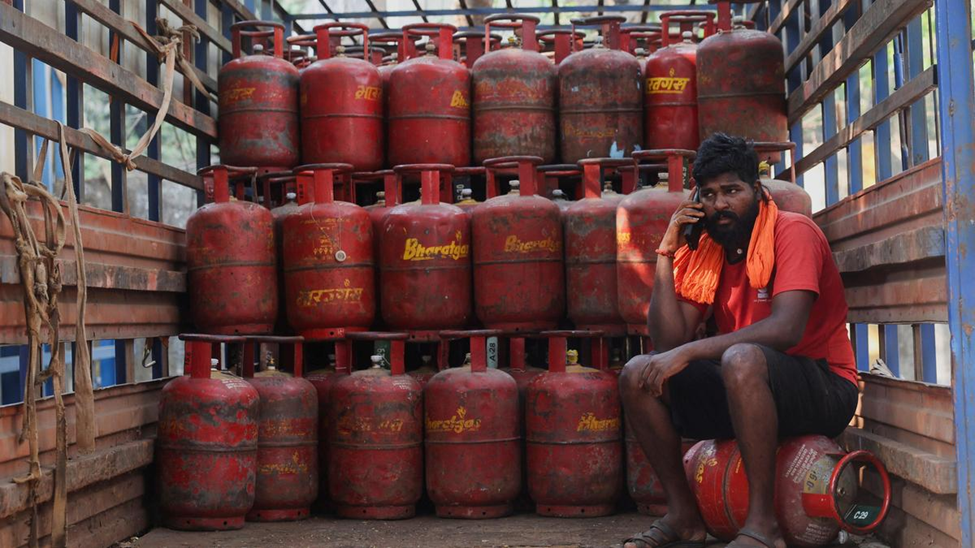
India’s rapidly increasing consumption of liquefied petroleum gas (LPG) is raising concerns about the country’s energy security as infrastructure struggles to keep pace with growing demand. With millions of households and commercial establishments relying on LPG for cooking and other daily needs, experts warn that limited storage capacity and heavy import dependence could pose challenges during supply disruptions.
The situation highlights the importance of expanding storage facilities and strengthening supply chains to ensure uninterrupted availability of LPG across the country.
LPG Demand Continues to Rise in India
Over the past decade, LPG consumption in India has grown significantly due to government initiatives aimed at expanding access to clean cooking fuel. Programs such as the Pradhan Mantri Ujjwala Yojana have played a major role in increasing LPG connections in rural and low-income households.
As a result, the number of LPG consumers has increased dramatically. Government data shows that LPG connections in India have risen from about 14.5 crore in 2014 to more than 32 crore consumers in recent years, reflecting the rapid expansion of access to clean fuel.
This expansion has led to a substantial increase in consumption levels. Estimates indicate that India’s LPG demand has reached more than 31 million metric tonnes annually, driven by rising household usage and industrial demand.
While the growth reflects progress in energy accessibility and cleaner cooking practices, it also puts additional pressure on supply infrastructure.
Heavy Dependence on LPG Imports
India relies heavily on imports to meet its LPG demand. Experts estimate that around 80–85% of India’s LPG requirements are imported, with the majority of shipments coming from Gulf countries such as Saudi Arabia, Qatar and the United Arab Emirates.
This high dependence on imports makes India vulnerable to global supply disruptions, geopolitical tensions and fluctuations in international energy prices.
Most of the LPG imported into India travels through the Strait of Hormuz, one of the world’s most critical energy shipping routes. Any disruption in this region can affect LPG shipments and create supply uncertainties for importing nations.
Because LPG imports depend heavily on global shipping routes and international suppliers, maintaining adequate domestic storage capacity is crucial for ensuring uninterrupted supply.
Limited Storage Capacity Raises Concerns
Despite rising consumption, India’s LPG storage capacity remains relatively limited. Experts say the country currently has storage facilities sufficient for only about two to three weeks of LPG consumption, which is considered low compared with many other major energy-consuming nations.
In some estimates, LPG storage capacity in India provides coverage for roughly 16 to 21 days of demand, highlighting the narrow buffer available in case of supply disruptions.
This limited reserve capacity means that any delay in imports or logistical challenges could quickly impact supply availability across the country.
Energy experts note that while India maintains strategic petroleum reserves for crude oil, similar large-scale reserves for LPG are not yet available.
Rising Imports and Logistics Challenges
The growing gap between domestic production and demand has increased India’s reliance on imported LPG shipments.
Domestic LPG production has remained relatively stable in recent years, while demand continues to rise steadily. This imbalance has led to a growing dependence on international suppliers to meet consumption needs.
Industry estimates suggest LPG imports have been increasing at a steady pace, with demand expected to grow further in the coming years as household usage and commercial demand continue to expand.
Managing logistics for LPG imports also requires efficient port infrastructure, storage terminals, transportation networks and bottling plants. Any bottlenecks in these areas can slow down distribution and affect supply.
Government Plans to Expand Storage Infrastructure
Recognising the challenges associated with limited storage capacity, the government and energy companies are working on plans to expand LPG storage infrastructure across the country.
Projects involving underground caverns, additional storage tanks and improved logistics systems are being considered to strengthen India’s energy security.
One such initiative includes expanding underground LPG storage caverns that can help increase the country’s reserve capacity and provide better protection against supply disruptions.
Energy experts say that improving storage infrastructure will allow India to maintain larger reserves, reducing vulnerability to global market fluctuations.
Ensuring Energy Security in the Future
The issue of rising LPG consumption and limited storage capacity highlights a broader challenge related to India’s energy security.
As demand continues to grow, ensuring stable fuel supply will require a combination of strategies, including increasing domestic production, diversifying import sources and expanding storage infrastructure.
Investments in logistics, transportation networks and energy infrastructure will also play a key role in ensuring that LPG reaches households and businesses efficiently.
Experts emphasise that strengthening storage capacity and supply resilience will be essential to support India’s growing population and expanding economy.
As the country continues its transition toward cleaner energy solutions, LPG will remain a critical component of the energy mix for millions of households.
Follow for more updates regarding business related news in newsnownation.com.
